
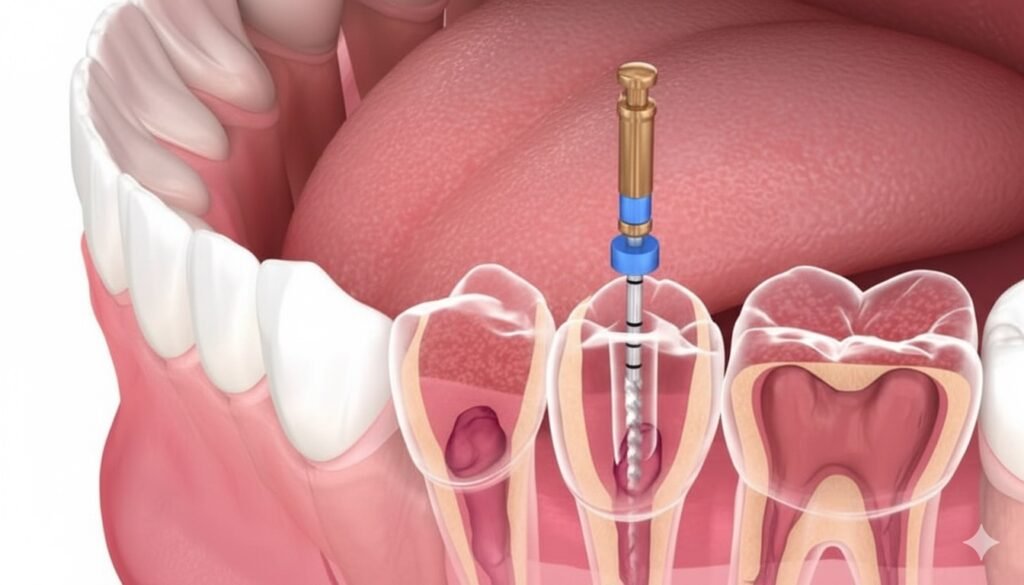
When it comes to dental health, early detection can make all the difference between saving a natural tooth and losing it. One of the most common yet often misunderstood procedures in dentistry is the root canal treatment. Many people associate root canals with pain and discomfort, but in reality, the procedure itself relieves pain—not causes it. Recognizing the signs that you might need a root canal or other dental treatment is crucial to preventing severe infections and restoring your oral health before the situation worsens.
This article explores the symptoms that signal the need for a root canal or other restorative dental treatments, what causes these issues, and why timely intervention is essential for long-term dental wellness.
Understanding What a Root Canal Is
Before identifying the signs, it’s important to understand what a root canal involves. Inside each tooth is a soft tissue called the pulp, which contains nerves, blood vessels, and connective tissue. The pulp extends from the crown of the tooth down to the roots. When this pulp becomes inflamed or infected—usually due to decay, trauma, or cracks—a root canal treatment (RCT) is performed to remove the damaged pulp, disinfect the space, and seal the tooth to prevent further infection.
A root canal helps save the natural tooth, maintaining its structure and function, which is always preferable to extraction. However, not every toothache means you need a root canal. Let’s explore the key warning signs that suggest something more serious might be happening beneath the surface.
1. Persistent Tooth Pain
Pain is the body’s way of signaling that something is wrong. A constant, throbbing pain that doesn’t subside even after taking over-the-counter pain relievers may indicate deep decay or infection within the pulp. You might experience pain when eating, chewing, or even when there’s no pressure at all.
If the pain wakes you up at night or radiates to your jaw, ear, or other parts of your face, it’s a sign that the infection may be spreading. In such cases, a dentist will likely perform an X-ray to determine if a root canal is necessary to eliminate the source of the pain.
2. Prolonged Sensitivity to Hot or Cold
Do you experience sharp, lingering pain when sipping a hot drink or eating ice cream? While mild, short-lived sensitivity may simply indicate enamel wear, prolonged sensitivity that lasts for several seconds or minutes could point to pulp inflammation. When the nerve tissue inside the tooth is damaged, it becomes hypersensitive to temperature changes.
If this sensitivity persists despite using desensitizing toothpaste, it’s a clear sign that professional evaluation is needed. Your dentist might suggest a root canal to remove the inflamed pulp and stop the discomfort.
3. Swelling and Tenderness in the Gums
Another telltale sign of infection is gum swelling or tenderness around a specific tooth. This may appear as a raised bump, also known as a gum boil or abscess, which is the body’s attempt to drain the infection. The area may feel sore to touch and can sometimes release pus, leading to an unpleasant taste in the mouth.
Left untreated, the infection can spread to surrounding tissues, affecting bone health and neighboring teeth. A root canal can stop the infection at its source and prevent the need for more invasive procedures.
4. Tooth Discoloration
When a tooth becomes darker or discolored compared to the rest of your teeth, it can be a sign of internal damage. This discoloration often results from trauma or nerve death inside the tooth. As the pulp breaks down, pigments can seep into the inner layers, turning the tooth grayish or brown.
While external stains from food or beverages can be treated with whitening procedures, internal discoloration requires deeper intervention. A root canal, followed by a crown or veneer, can restore both the health and appearance of the tooth.
5. Cracked or Chipped Tooth
A cracked or chipped tooth may expose the inner pulp to bacteria, leading to infection over time. Even small fractures that seem harmless can allow bacteria to enter, causing inflammation and pain later. If you’ve experienced dental trauma or injury and start noticing increased sensitivity or discomfort, a root canal may be necessary to prevent the infection from spreading.
In some cases, if the crack is severe and extends below the gum line, extraction may be required, followed by restorative options like implants or bridges.
6. Loose Tooth or Change in Tooth Position
An infected tooth can become loose due to the buildup of pus or bone loss around the root. If you notice a change in the way your teeth fit together or if one tooth feels “taller” when you bite down, it could mean swelling around the root tip. This often happens when the infection begins to damage surrounding bone tissues.
A timely root canal can stop further bone deterioration and stabilize the tooth before it’s too late.
7. Unexplained Facial or Jaw Pain
In some cases, the infection inside a tooth may not cause visible swelling but can lead to referred pain in the jaw, ear, or even head. People often mistake this for sinus issues or muscle tension, but the real culprit might be a deep tooth infection. Dentists use diagnostic tools like X-rays or pulp vitality tests to determine if the tooth’s nerve is affected and if root canal therapy is necessary.
Why You Shouldn’t Delay Treatment
Ignoring the signs of infection can lead to serious consequences. As the infection worsens, it can spread to nearby teeth, gums, and even the jawbone. In rare cases, untreated abscesses can lead to systemic infections affecting overall health.
Early intervention with a root canal or other dental treatment not only saves your natural tooth but also prevents costly and complicated procedures later. It’s always better to treat an infected tooth promptly rather than waiting for pain to become unbearable.
Other Treatments Besides Root Canal
While root canal therapy is a common solution for deep infections, not every case requires it. Depending on the severity and cause, your dentist might recommend:
- Dental Fillings – For minor decay that hasn’t reached the pulp.
- Crowns – To protect a weak or fractured tooth after removing decay.
- Periodontal Therapy – If the pain or inflammation stems from gum disease rather than the tooth pulp.
- Extraction and Replacement – In extreme cases where the tooth cannot be saved, extraction followed by an implant or bridge might be necessary.
Maintaining Oral Health After Treatment
After receiving a root canal or other dental treatment, maintaining good oral hygiene is crucial to prevent future issues. Brush twice daily with a fluoride toothpaste, floss regularly, and visit your dentist for routine checkups. Avoid using treated teeth to bite hard objects like ice or pens, and follow your dentist’s post-treatment instructions carefully.
Tooth pain, sensitivity, swelling, or discoloration are not problems to ignore—they are warning signs that your tooth may need urgent attention. Recognizing these symptoms early and consulting a dentist can help preserve your natural teeth and prevent serious complications. A root canal treatment might sound intimidating, but it’s a highly effective and routine procedure designed to eliminate pain and restore oral health.
Remember, your smile is one of your greatest assets. Taking proactive care today can save you from discomfort and more complex treatments in the future.